Commercial Waste Greenwich

Commercial waste Greenwich businesses need to manage well is usually varied, regular and time-sensitive, so the service has to be practical as well as straightforward. We collect and remove commercial rubbish from workplaces, retail units, hospitality venues, managed properties and other business premises, with an approach focused on separating suitable materials for recycling where possible and keeping the process organised from start to finish.
Our work covers planned removals and ad hoc clearances for trade and business customers who need space kept clear without disrupting daily operations. That can include general mixed waste, packaging, office contents, unwanted fixtures, and other non-hazardous materials that have built up over time. The aim is simple: provide a dependable removal service that fits around your schedule and keeps the task clear and manageable.
If you need help with commercial rubbish in Greenwich, request a quotation when you are ready and we can help you decide what needs to be removed and how best to organise the job.
Business waste removal for regular collections and one-off clearances
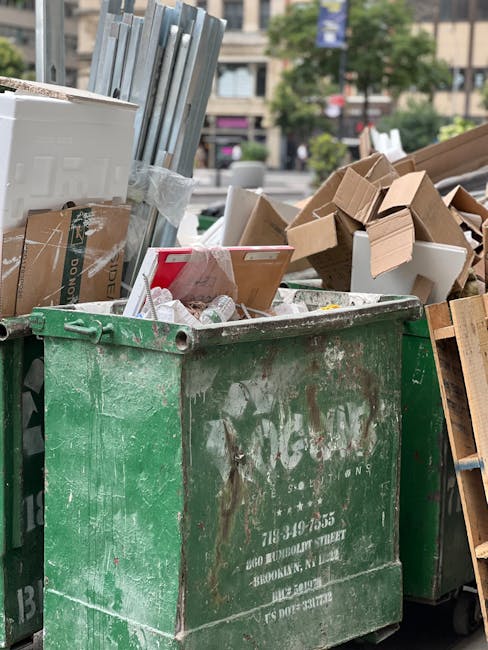
Commercial waste is rarely just one material type. A premises can produce cardboard, plastic wrap, broken display items, office paper, redundant stock, shelving, light fittings and general refuse, all at different times. Our business waste removal service is designed to handle that mix sensibly, so customers can clear what is no longer needed without trying to separate every item themselves before the collection. Where materials can be sorted, we do so; where they cannot, they are handled as mixed commercial waste and dealt with appropriately.
For many customers, the key question is whether a removal should be treated as a recurring arrangement or a single clearance. A repeat collection can suit operations that steadily produce waste, while a one-off visit is better for relocations, refurbishments, stock changes or the end of a tenancy. If you are comparing options, it helps to think in terms of volume, access, and the type of waste involved. You can plan ahead rather than wait until the space is overflowing, which often makes the job easier to organise.
What this type of service commonly includes
Typical commercial waste tasks may involve loading items from storage rooms, back areas, customer-facing floors, basements, service yards or upper floors, depending on access. A sensible collection plan keeps the route clear and reduces unnecessary handling. Common examples include packaging waste, broken office furniture, out-of-date stock, general non-hazardous rubbish, and waste left behind after a tidy-up. For more structured removals, see our business waste removal service.
Office waste, furniture and equipment clearances

Office environments often generate waste that needs more than a simple bin emptying. Desks, chairs, filing cabinets, storage units, monitors, small appliances and surplus paperwork can build up when teams reorganise their space or replace old furniture. We provide office waste removal for these situations, with a focus on clearing unwanted items carefully so the remaining workspace stays usable during and after the visit. Where there is equipment to move, access and handling are considered from the start.
Office furniture can be awkward because it is bulky, heavy and sometimes fixed together in ways that make it hard to remove in one piece. That is why planning matters. If items need dismantling before removal, that should be factored into the arrangement. If a clearance includes both furniture and general rubbish, combining the work into one service is often more efficient than splitting it across separate visits. It is also sensible to identify whether any items contain electrical components so they can be handled as part of the correct waste stream.
For customers who are reorganising desks, clearing storage rooms or emptying an entire office suite, the service is about making the process orderly and manageable. You can compare the scope of an office clearance with the broader removal options, then decide what best fits the premises. If you are preparing for a change of use, a move or a refurbishment, keep the list of items practical and specific so the quotation reflects the actual work required.
Recycling, sorting and responsible disposal

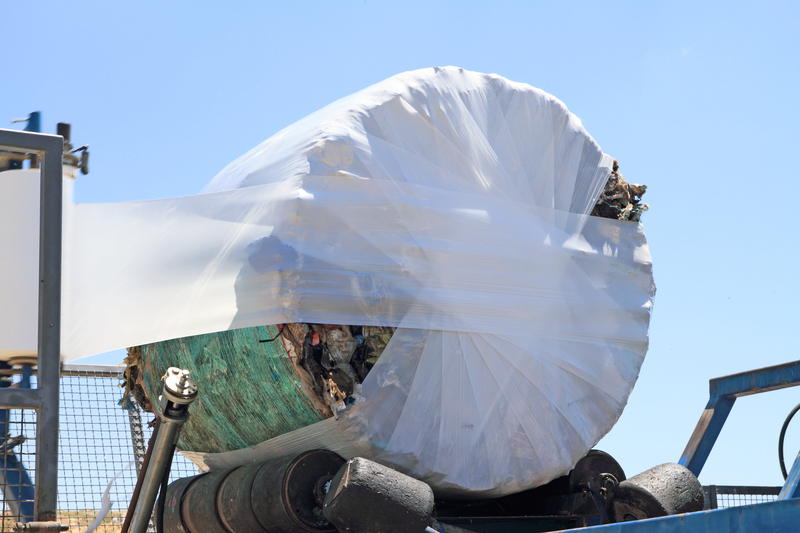
Commercial waste removal is not only about taking items away. It is also about deciding what can be separated, what needs to be treated as mixed waste, and what should be directed to suitable recycling routes. Packaging, cardboard, certain metals and some office materials may be suitable for sorting, while contaminated or unsuitable items must be handled differently. A well-planned collection reduces unnecessary disposal cost and helps keep the process efficient.
Different businesses produce different waste profiles, so the right approach is not always the same from one job to another. Retail premises may have more packaging and display waste; offices may have furniture and paper; hospitality sites may have mixed non-food items; storage areas may produce general clutter and surplus equipment. The service should reflect the kind of waste present rather than trying to force every job into a single pattern. That is one reason why a clear description of the items is useful when arranging the work.
For customers who want a broader overview of how materials are handled, our recycling and sustainability page explains the recycling-focused side of the service in more detail. Where waste contains heavier items or materials with a different handling requirement, that should be identified before collection so the right approach can be arranged. If anything seems uncertain, note it in the enquiry rather than leaving it until the day of the visit.
Pricing factors and the information that helps a quotation
Commercial waste pricing is usually influenced by the volume of material, the type of items being removed, the access available on site and whether loading is straightforward or more involved. A job involving lightweight bagged waste is very different from one that includes bulky furniture, awkward access or items that need separating before removal. The more accurately the work is described, the easier it is to prepare a quotation that matches the job in front of us.
Useful details usually include the main categories of waste, any large or heavy items, whether there are stairs, lifts or limited parking, and whether the clearance is from a front-of-house space, a stockroom or a private service area. One clear list is better than several vague messages. If you are unsure how to describe the waste, a simple summary is enough to start with, especially when the job involves a mix of office, retail or storage items.
For a straightforward way to compare options and scope, take a look at our pricing and quotes information. Then, when you are ready, send the details that matter most and ask for a quotation. That keeps the process focused on the actual work rather than guesswork.
Common business premises we help clear

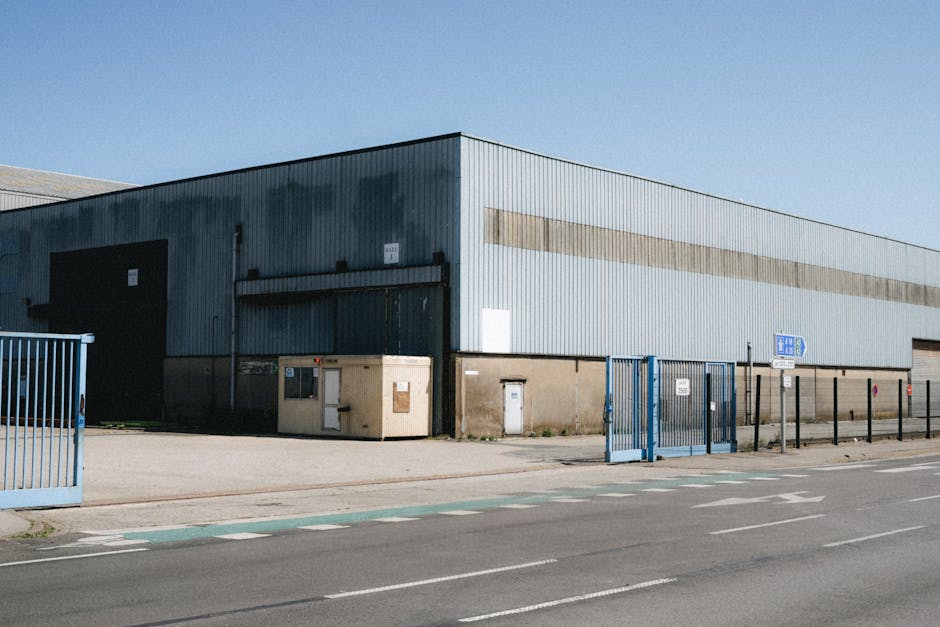
Different premises need different planning. A small office, a shop stockroom, a café, a warehouse corner or a shared commercial unit can all create their own pattern of waste. Some sites mainly need general rubbish removed, while others need mixed items taken away from several rooms. We keep the service flexible enough to handle that variety without turning it into a one-size-fits-all exercise.
Where the site contains both reusable items and waste, the work can be organised around what is staying and what is leaving. That is particularly useful during refits, stock changes or end-of-occupancy clearances. If fixtures or furniture are being removed alongside waste, it is worth deciding in advance what should be dismantled, stacked, bagged or left in place. For customers with business-related rubbish, our waste removal page gives a broader view of the service scope.
Useful planning points often include access times, any building rules, lift availability and whether items are stored in more than one area. A short, practical summary helps more than a long explanation. If the collection needs to avoid peak trading hours, mention that early so the work can be arranged in a way that suits the premises.
About Greenwich
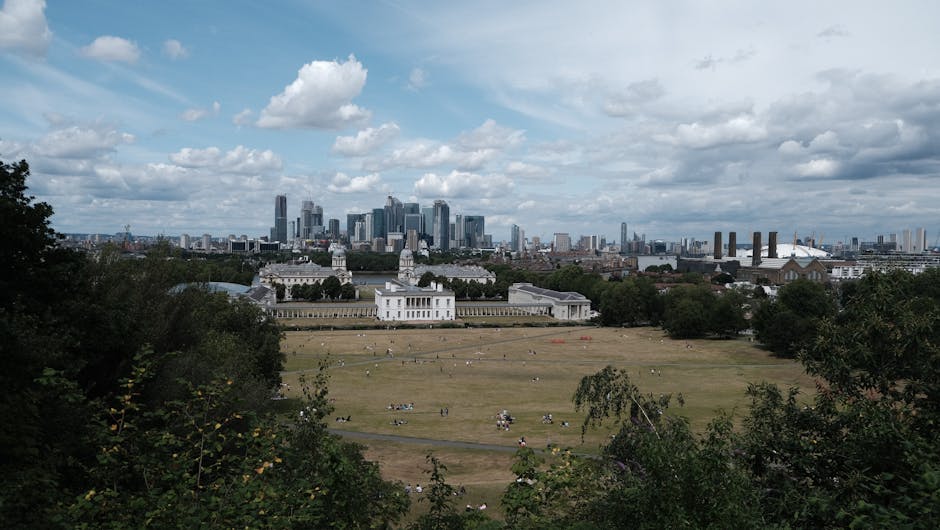
Greenwich is a historic district in south-east London on the south bank of the River Thames, known for its long association with navigation, science and royal history. The area is strongly linked with the Old Royal Naval College, a remarkable baroque ensemble designed by Sir Christopher Wren and Nicholas Hawksmoor, and with the Royal Observatory on Greenwich Hill, where the Prime Meridian was established. Greenwich Park, one of London’s oldest enclosed royal parks, rises above the riverfront and gives wide views across the city. The district also includes the National Maritime Museum, the Queen’s House and the busy river edge around Greenwich Pier. Its town centre combines market activity, Victorian and Georgian streets, waterside paths and later developments around the transport interchange. Greenwich is recognised as a UNESCO World Heritage Site, reflecting the exceptional concentration of architectural and scientific landmarks in a relatively compact area. Beyond the famous core, the wider district includes residential streets, local shops and community spaces that connect the heritage centre with everyday urban life. The riverfront, parkland and historic buildings make it a place where architecture, public open space and maritime history sit side by side, while the market and surrounding streets continue to give the area a lively commercial character.
Specialist items and more involved waste types
Some commercial clearances need more care than a straightforward mixed rubbish collection. Heavy items, awkward furniture, white goods, confidential paper, or materials that may need separate handling should be identified early so the job can be planned correctly. In some cases the waste is not difficult to remove, but it does require the right order of work so that access, lifting and sorting are managed sensibly.
When dealing with specialised items, it is better to be specific about what is present than to assume it will fit into a general clearance. Confidential paper should not be left mixed in with ordinary rubbish if a separate process is needed; bulky appliances may need different handling from office furniture; and certain waste types should be noted rather than discovered on the day. For this reason, it can help to separate the categories of waste into a simple short list before requesting the job.
We also handle confidential shredding enquiries where business records or sensitive documents need attention alongside other waste. If you have mixed materials, mention the full scope clearly so the collection can be organised in a way that keeps the process efficient and appropriate to the items involved.
Commercial site clearances during changes, moves and refurbishments

Some of the most useful commercial waste work happens at turning points: before a move, after a refurbishment, during a fit-out, or when a space is being handed back. At those moments, the issue is often not one single item but a combination of surplus furniture, packaging, shelving, stock, and general waste left after contractors or staff have finished their part of the work. A structured clearance helps bring the space back under control.
Where there are several categories of item, it can help to decide which parts of the job need the most attention first. Heavy items may need clearing before smaller rubbish, while boxed materials may be easier to remove once larger items are out of the way. If the premises are still in use, there may also be a need to work around trading hours or building restrictions. That is why it is sensible to keep the arrangement practical, clear and based on the actual site layout.
If you need a wider clean-out beyond ordinary business rubbish, our commercial waste Greenwich service can be organised around the specific job rather than a generic one-size-fits-all visit. Tell us what needs to go, choose a time that suits the premises and request a quotation when you are ready.
What to include when you enquire
There are a few details that make a commercial waste quotation easier to prepare without turning the process into a long exercise. The most useful points are the type of items, approximate quantity, where they are located, and whether there is anything awkward about access. If there is a mix of furniture, packaging and general rubbish, that should be made clear so the job can be reviewed properly from the outset.
It also helps to note whether the clearance is urgent, whether it is part of a larger project and whether the premises are occupied while the work is being arranged. If there are loading restrictions, narrow corridors, upper floors or shared entrances, mention them early. Simple, accurate information is usually enough; there is no need to overcomplicate the enquiry. When the scope is well described, the collection can be planned more effectively and with fewer surprises.
If you are comparing related services, you may also find our furniture disposal page useful where the job is mainly about individual bulky items rather than a broader clear-out. For the final step, keep it straightforward: send the details and ask for a quotation.
Choosing the right service for the waste you have
Not every job is the same, and commercial waste should be matched to the kind of material that actually needs removing. A business looking to clear a full office may need a different arrangement from one that simply wants packaging and refuse taken away from a back area. Being clear about the main aim helps prevent overcomplicating the task and keeps the scope realistic.
Where an enquiry includes both ordinary rubbish and specific items such as office furniture, appliances or shredding, it can be sensible to identify the main part of the job first and then note anything additional. That gives a better basis for planning and can help avoid missing a detail that matters. For jobs involving mixed bulky items, our furniture clearance service may be relevant alongside the broader waste removal work.
The most useful approach is usually to make the request specific enough to be practical, but not so detailed that it becomes hard to read. A short summary, a list of the main items and a clear location within the premises are often enough to start. From there, the service can be matched to the work and the next step becomes straightforward.